
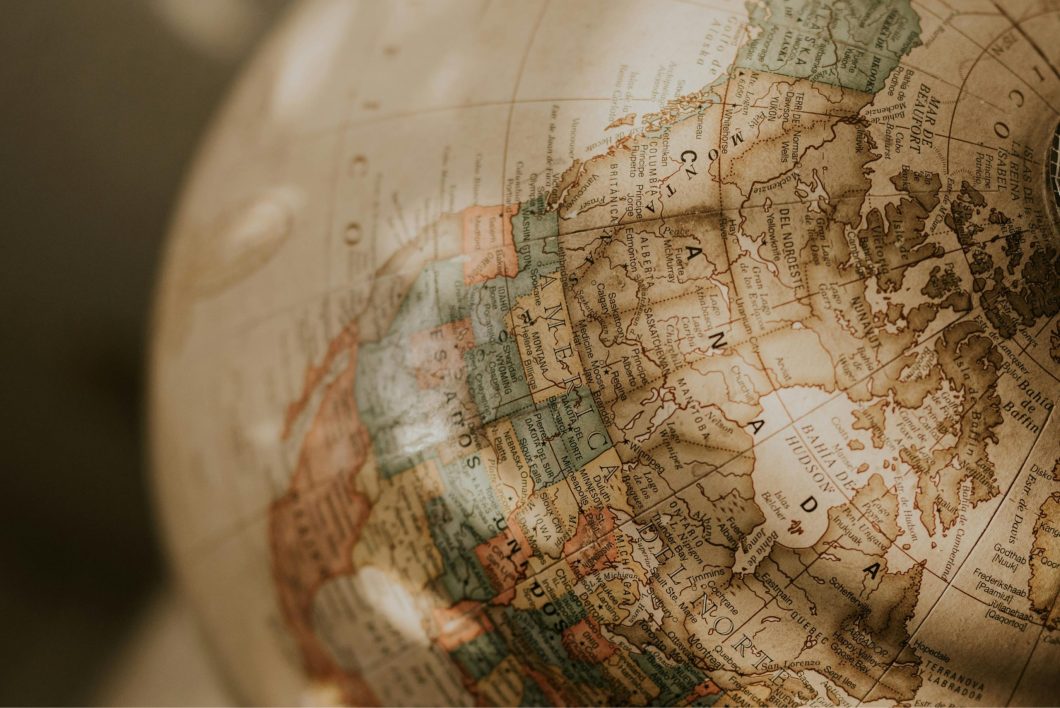

August is when the world scatters. Airports are buzzing, suitcases are rolling, and social feeds fill with snapshots of beaches, bazaars, and mountain peaks. But here’s the beautiful thing: when we return, we rarely come back empty-handed. Whether it’s a tucked-away market find, a gallery piece, or something small but significant, those objects have a way of transforming our spaces. They’re not just souvenirs, they’re stories. Little fragments of the world woven into the fabric of our homes. That’s the spirit of The World Within. Curating your own interior atlas that feels like a passport stamped with memory.
Here’s how a few global treasures bring texture, culture, and soul to any room:

Portugal’s azulejos are more than pretty patterns, they are history you can touch. Introduced to the Iberian Peninsula by the Moors in the 13th century, these tiles are rooted in Islamic art and later infused with European Renaissance and Baroque influences. Traditionally painted in blue and white, azulejos adorned palaces, churches, train stations, and humble homes, often telling biblical, historical, or cultural stories. Beyond their beauty, they served practical purposes: keeping interiors cool in hot climates and protecting walls. Today, they can be framed as artwork, used in kitchens or bathrooms, or even incorporated into tabletops. A single tile can bring the sun-soaked streets of Lisbon right into your kitchen.

Handwoven by Berber tribes in the Atlas Mountains, Moroccan rugs are cultural tapestries. The weaving techniques have been passed down for centuries, with each region and tribe having its own distinct patterns and colour schemes. The motifs are often symbolic, diamonds representing protection, zigzags marking journeys, and intricate lines telling family or tribal stories. Traditionally made from sheep’s wool, these rugs were used as bedding, blankets, or ceremonial pieces. Bringing a Moroccan rug into your home adds more than warmth, it adds a narrative of heritage, craftsmanship, and resilience. Whether layered over hardwood floors, draped over furniture, or hung as art, each rug carries the spirit of the artisan who made it.

Aboriginal art is one of the oldest continuous art traditions in the world, dating back over 60,000 years. These works are not mere decoration, they are profound cultural expressions. Aboriginal paintings often use symbols, dots, and natural pigments to depict Dreamtime stories: sacred narratives that explain the creation of the world and the ancestral spirits that shaped it. Each colour and form carries meaning, representing land, waterholes, animals, or sacred journeys. Displaying Aboriginal art in your home is a powerful statement, honouring a connection to the land, to ancestry, and to storytelling itself. A single canvas can add not just colour but depth and meaning to a room.

Tea is not just a drink across Asia. It is a ritual, an art, and often a philosophy. In Japan, the tea ceremony (chanoyu) emphasizes mindfulness, harmony, and respect, using handcrafted ceramic or porcelain tea sets valued for their subtle beauty and imperfections. In China, tea culture spans thousands of years, with Yixing clay pots and delicate porcelain gaiwans treasured for their ability to enhance flavour. These tea sets are not only functional but are designed for sensory experience, from the smoothness of the glaze to the weight of the cup in your hand. Displayed on open shelving, they bring elegance and serenity to a space, and when used daily, they turn into an act of mindfulness.

From the highlands of Peru and the heart of the Inca Empire, pottery was both utilitarian and ceremonial. The Incas created highly sophisticated ceramics, such as jars, bowls, and vessels often decorated with geometric patterns, animals, and depictions of daily life. These pieces were crafted from clay and painted with natural pigments, sometimes used to store food and drink, other times as offerings to the gods. The shapes were functional yet striking, with designs reflecting agricultural cycles and spiritual beliefs. Today, Inca-inspired pottery makes a statement in modern interiors. Placed on a shelf or as a centrepiece, these pieces bring earthiness, history, and a tangible link to one of the world’s great civilizations.

The Middle East is steeped in sensory traditions, and few are more iconic than incense and coffee. Intricate incense holders are often made from brass, silver, or gold, releasing scents of oud, frankincense, and myrrh, filling spaces with warmth and spirituality. These traditions date back thousands of years, used in both daily life and sacred rituals. Coffee culture is equally rich: the dallah, a large, ornate coffee pot, is a symbol of hospitality across the Arabian Peninsula. Traditionally, coffee is brewed strong and served in small cups, shared among guests as a gesture of welcome and respect. Incorporating these pieces into your home adds a sense of ritual and luxury, whether displayed on a mantle or used in gatherings.
Travel shifts our perspective, but it’s what we carry back that shifts our spaces. These items are more than décor, they’re anchors to places, people, and moments that moved us. When layered into our interiors, they create something rare: a home that doesn’t just look lived-in, but deeply lived. A world within four walls. So when you unpack this August, look at that object in your hands. That tile, that textile, that tiny teacup. It’s not just something you bought, it’s a memory that found a place to stay.