
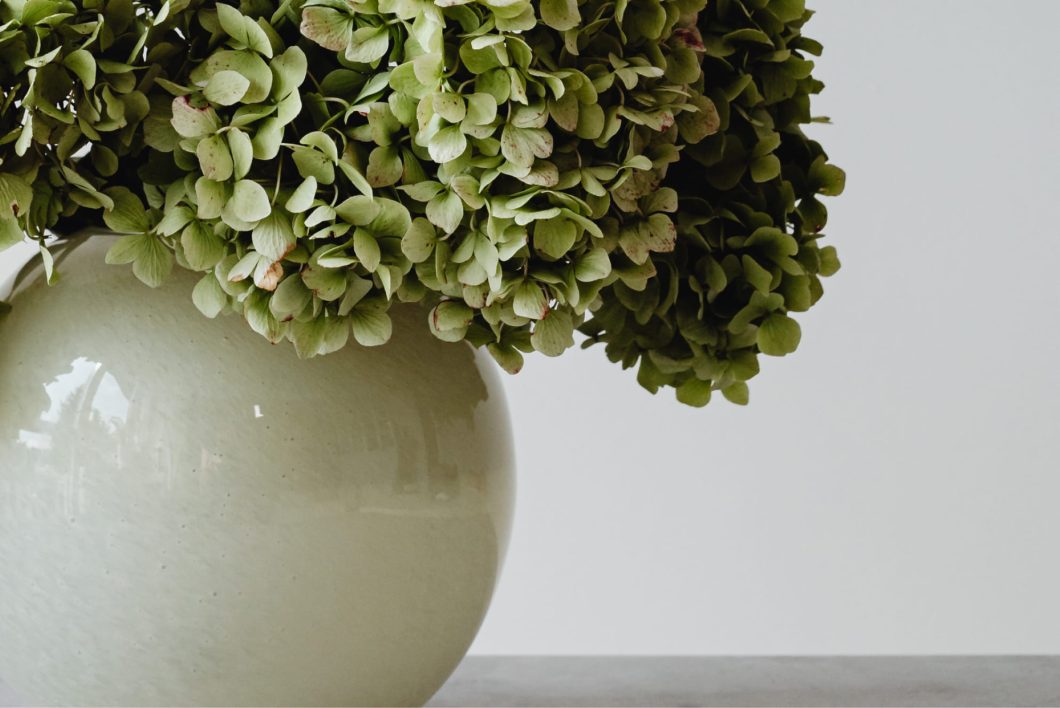

Biophilic design has been floating around design circles for a while, but in 2025, it’s not just a “nice-to-have”, it’s non-negotiable. We’re craving spaces that do more than look good. We want homes that feel good, that breathe with us, that bring a little calm into our fast moving lives. Enter: biophilic interior design. It’s the art of bringing the outdoors in, not just with plants (although we love a good fig tree) but, with materials, textures, light, and flow that reconnect us to nature and ourselves.
A Natural Evolution: Where Biophilic Design Came From

While the term may sound modern, the roots of biophilic design are ancient, woven into the way humans have lived for millennia. Long before it had a name, we were building homes with local materials, oriented them toward the sun, and lived in close relationship with the natural world. But as urbanization surged and buildings grew taller, denser, and more disconnected from the earth, we lost something essential: our bond with nature.
The word biophilia, meaning “love of life” or “love of living things,” was first introduced by German social psychologist Erich Fromm, but it was biologist Edward O. Wilson who truly brought the idea into the spotlight in the 1980s. In his groundbreaking book Biophilia (1984), Wilson argued that humans have an inherent biological need to connect with the natural world. A connection that’s deeply rooted in our evolutionary past, he argued we should evolve in nature, not in concrete boxes.
This idea struck a chord with architects, urban planners, and designers who were noticing how disconnected modern environments were making us feel. What started as a theory in biology soon inspired a new approach to architecture and interior design. One that went beyond aesthetics and prioritized human well-being.
Fast forward to today, and biophilic design has gone from niche to necessary. In an era marked by digital overload, climate anxiety, and rapid urban growth, we are collectively seeking refuge in spaces that bring us back to the natural rhythms we were designed for. Biophilic interiors are no longer just beautiful, they are healing.
Living Walls: Green, Grounding, and Gorgeous

Let’s talk greenery. Real, thriving, soul-soothing greenery. In 2025, plants aren’t just accents; they anchor the design. Living walls are making a serious statement, turning plain interiors into lush focal points. Think a full fern wall behind your desk or a leafy installation that welcomes guests at the entry. Not only do they look incredible, but they also boost air quality and bring a layer of calm that no paint color can match.
Natural Materials: Perfectly Imperfect

We’re trading polished and pristine for raw, textured, and real. Biophilic design adorns the look and feel of the natural world with unfinished woods, earthy stone, woven fibers, clay, and rattan. These materials add a grounded elegance that’s effortlessly cool. They age beautifully and bring an authenticity that synthetic finishes just cannot compete with. It’s less showroom, more sanctuary.

“Just being surrounded by bountiful nature, rejuvenates and inspires us”
Edward O. Wilson
Indoor-Outdoor Flow: Blurring the Boundaries

Why stay boxed in when you can expand your space, mentally and physically? Biophilic design breaks down the divide between indoors and out. Large windows, sliding doors, and open courtyards let natural light and air flood in. Your morning coffee feels like a retreat, your dining room becomes a garden escape. It’s that sense of freedom and connection that makes a space feel indulgent and grander.
Organic Shapes: Curves Are In

Say goodbye to sharp corners and straight lines. Nature just doesn’t do symmetry, and neither do the most beautiful biophilic spaces. In 2025, we’re embracing curves, waves, and asymmetry. With arched doorways, round mirrors and wavy-edge furniture, these soft forms create a visual rhythm that feels more relaxed and more alive. It’s a quiet kind of elegance, one that invites you to exhale.
Earth-Toned Palettes: Inspired by the Elements

This year’s colour stories are rooted in nature. Warm clay, sunbaked terracotta, ocean blue, mossy green, soft sand… you get the picture. These hues don’t just add beauty, they shift with the light and time of day, giving your space a dynamic, lived-in feel. Paired with natural textures and thoughtful lighting, these tones create a layered, immersive atmosphere that just feels… right.
“Through biophilic design, your home breathes life into you, just as you bring life to it.”
Jessica Preteroti
Conclusion: Nature is the New Neutral
To wrap it up like Bougainvillea, biophilic interior design in 2025 is all about connection. Visual, emotional and environmental. It’s about creating spaces that are just as nourishing as they are beautiful. From cascading greenery and earthy materials to gentle curves and light-filled rooms, it’s a design direction that says welcome home in the most natural way possible. Because when your space feels in sync with the world outside, life just feels a little lighter, calmer, and more inspired.